

Cloning the voice of someone who has died raises a consent question that cannot be answered after the fact. Estates can grant permission legally without settling whether the person would have wanted it. These are notes on where the line sits and why it matters.
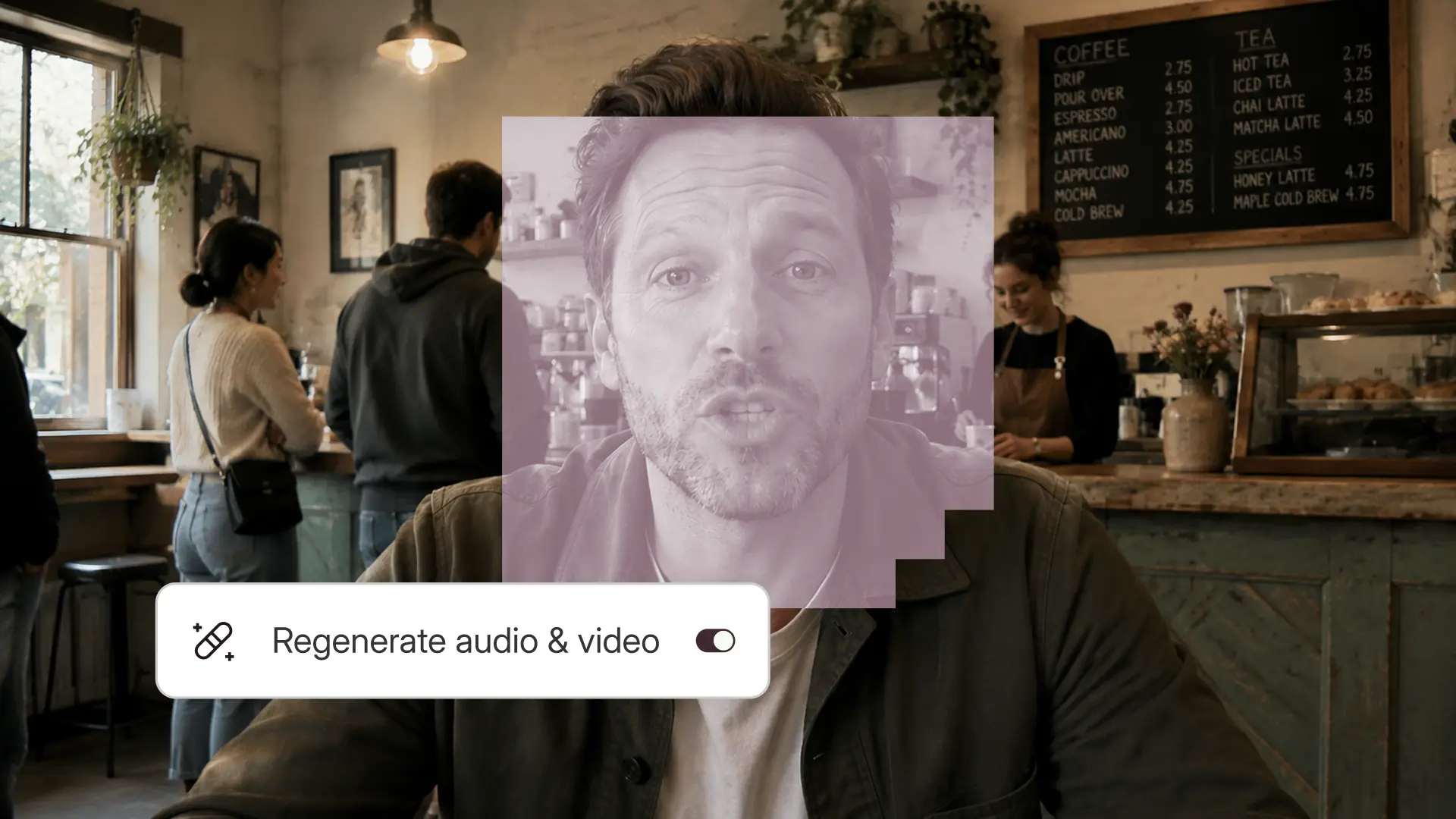
Descript’s Overdub technology allows anyone to create a text to speech version of their own voice by providing about ten minutes of recorded audio. We don’t allow people to clone voices other than their own, both via our terms of use, and the voice identification protocol we have built into our training data collection process.
We’re frequently asked to clone voices of the deceased, a question that’s currently receiving attention due to the use of a voice clone in the new documentary about Anthony Bourdain.
.jpeg)
For what it’s worth, here’s our take: Unapproved voice cloning is a slippery slope – as soon as you get into a world where you’re making subjective judgment calls about whether specific cases can be ethical, it won’t be long before anything goes. Even if you think that the use in the Bourdain documentary is ethical, is there enough upside to open this Pandora’s Box? We think the answer is no – whatever the path may be to universal enlightenment, we can get there without reanimating the dead.